
It sounds like a harmless experiment. Stop shampooing for a month and let your hair “reset.” You’ll find people online claiming it makes hair stronger, reduces oiliness, and even boosts natural shine. The idea is appealing—less effort, fewer products, and supposedly better results.
But once you move past the surface-level claims, things get more complicated. Your scalp isn’t designed to function without cleaning. It produces oil, collects sweat, traps dirt, and sheds dead skin cells every single day. Ignoring all of that for 30 days doesn’t reset your hair—it changes the environment your scalp operates in.
And that change is not always positive.
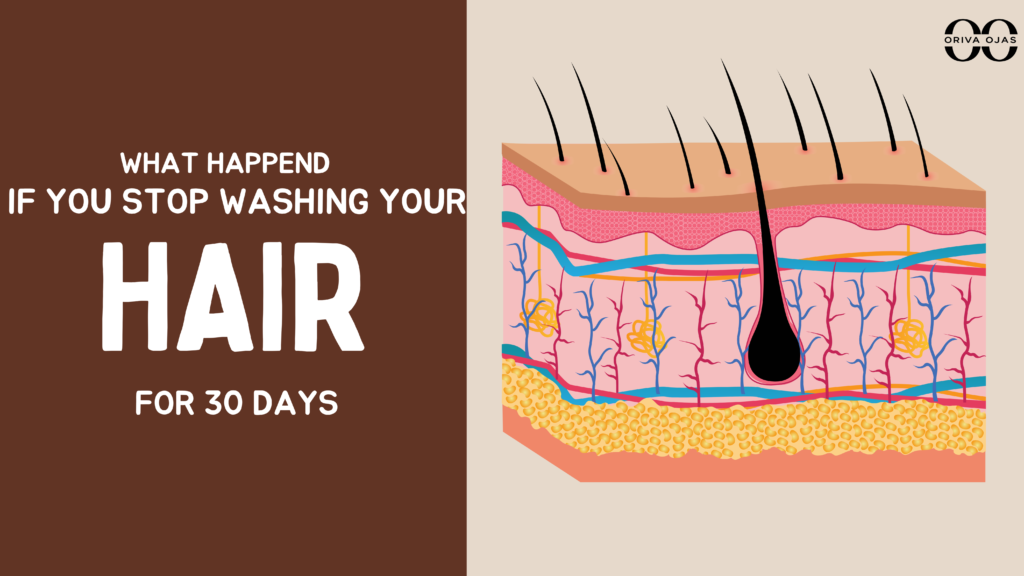
What Actually Happens to Your Scalp and Hair Over 30 Days
Week 1: Oil Buildup Begins
In the first few days, your hair may not feel dramatically different. But internally, things are already shifting.
Your scalp produces sebum, a natural oil that protects your hair and keeps it from drying out. Without washing, this oil starts accumulating. Initially, it might make your hair look slightly shinier or smoother, which leads some people to believe the method is working.
But that’s just the early stage. The buildup hasn’t reached a problematic level yet.
By the end of the first week, your scalp starts feeling greasy. Hair begins to clump together, and volume reduces. If you touch your scalp, it may feel heavier than usual. This is not your hair improving—it’s oil accumulation.
Week 2: Dirt, Sweat, and Bacteria Accumulate
Now things start getting noticeable.
Your scalp doesn’t just produce oil. It also collects sweat, environmental pollutants, and dead skin cells. Normally, washing removes all of this. Without it, everything stays trapped.
This creates an ideal environment for bacteria and yeast to grow. You may start experiencing itchiness, irritation, or even a mild odor. Dandruff-like flakes can appear—not necessarily because your scalp is dry, but because buildup is disrupting its balance.
Hair may start looking dull despite being oily. That’s because excessive oil and dirt block light reflection, making hair appear lifeless.
Week 3: Scalp Imbalance and Increased Shedding
By the third week, your scalp is no longer functioning normally.
The excess oil and buildup begin to clog hair follicles. This can interfere with the natural hair growth cycle. Some people notice increased shedding during this phase, not because washing stopped, but because the scalp environment has deteriorated.
If you already have issues like dandruff or an oily scalp, this stage can make things worse. Itching becomes more intense, and visible flakes may increase.
At this point, the idea of a “natural reset” starts falling apart.
Week 4: Visible Damage and Poor Hair Quality
After a full month without washing, the effects are hard to ignore.
Your hair may feel heavy, greasy, and difficult to manage. The scalp might be irritated, with persistent itching or flaking. In some cases, there may even be mild inflammation due to prolonged buildup.
Hair strands themselves can suffer too. Dirt and oil coating the hair shaft increase friction, which can lead to more breakage during combing or styling.
Instead of healthier hair, you’re left with a scalp that’s struggling to maintain balance.
Is There Any Benefit to Not Washing Your Hair?
The Only Partial Truth
There is one reason this idea gained popularity.
Over-washing your hair—especially with harsh shampoos—can strip away natural oils and leave your scalp dry. When this happens, your scalp may overproduce oil to compensate, making hair greasy faster.
So when people stop washing completely, they sometimes feel like their scalp becomes “less oily” over time. But this doesn’t mean no washing is the solution. It just means their previous routine was too aggressive.
The real answer lies in balance, not extremes.
The Right Way to Manage Hair Washing (Step-by-Step)
Instead of going 30 days without washing, you need a routine that keeps your scalp clean without damaging it.
Step 1: Understand Your Scalp Type
Your washing frequency depends on your scalp, not a fixed rule.
If your scalp is oily, you may need to wash more frequently—every 2–3 days. If it’s dry, you can extend it to 3–4 days. Ignoring your scalp type and blindly following trends is where problems begin.
Step 2: Use a Mild Shampoo
Not all shampoos are the same.
Harsh shampoos strip away too much oil, forcing your scalp to overcompensate. A mild shampoo cleans effectively without disrupting balance. This alone can fix many issues people try to solve by avoiding washing altogether.
Step 3: Focus on the Scalp, Not the Hair Length
When washing, your focus should be on the scalp.
That’s where oil, sweat, and buildup accumulate. The lather that runs down your hair is enough to clean the lengths. Scrubbing your hair aggressively only increases damage.
Step 4: Maintain Consistency
Your scalp adapts to routines over time.
If you keep changing your washing frequency—sometimes daily, sometimes not for a week—your scalp never stabilizes. Consistency allows it to regulate oil production more effectively.
Step 5: Support With Proper Hair Care
Washing is just one part of the process.
Avoid excessive heat styling, manage stress, and maintain a balanced diet. These factors influence your scalp health more than whether you skip shampoo for a few days.
The Reality Behind the “No Shampoo” Trend
The idea of not washing your hair for extended periods is not entirely new. It’s just been repackaged as a modern trend.
What people often ignore is that scalp hygiene matters. Just like your skin needs cleaning, your scalp does too. Leaving it unattended for too long doesn’t make it healthier—it makes it harder to manage.
There’s a difference between reducing over-washing and eliminating washing entirely. One is practical. The other is extreme.
Final Take
Stopping washing your hair for 30 days doesn’t reset your scalp—it disrupts it.
In the beginning, it might look like things are improving. But as buildup increases, your scalp becomes imbalanced, and hair quality declines. What starts as an experiment often ends with irritation, dullness, and sometimes increased hair fall.
The goal is not to avoid washing. It’s to wash correctly.
Find a routine that suits your scalp, use the right products, and stay consistent. That approach may not sound as dramatic as a 30-day challenge, but it’s the one that actually works.