
Overthinking is a loop, getting stuck in this loop is very easy but escape from this loop is not everyone’s cup of tea. Understanding What is overthinking, why we start overthink, asking these questions is the first step to getting out of this loop.
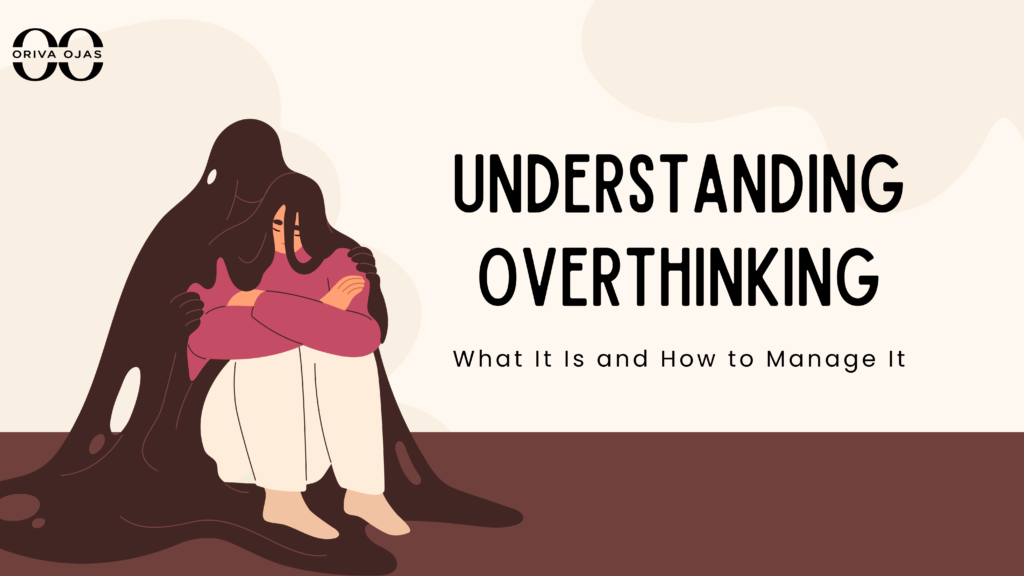
Poor Emotional Regulation
Mood Reactivity
This is the condition where mind reats all the things happening around you rather these are important or not, mind just get out of contorl and strongly react to the situations. In this case emotions change quickly and reacts to everything. Just a little trigger can make a large emotional response.
Here are a few reasons why mood reactivity happens:
- Stress Overload
- Poor Sleep
- Mental Fatigue
- Constant Stimulation
When emotions always reacts strongly this leads mind to overthink. Mood reactivity means emotions respond too quickly and strongly to small triggers, which can cause the mind to repeatedly analyze situations and lead to overthinking.
Impulse Thinking
Impulse thinking means making quick thoughts or decisions without proper reflection or analysis. The mind reacts immediately instead of pausing to evaluate the situation. It is driven more by emotion and immediate reaction than by careful reasoning. Impulse thinking means reacting quickly without fully thinking first, often driven by emotions or stress rather than careful reasoning.
Stress Sensitivity
Stress sensitivity means the nervous system reacts strongly even to small amounts of stress. Situations that normally cause mild pressure may feel overwhelming or mentally exhausting. It is not about the size of the problem. It is about how strongly the brain responds to it.
Stress sensitivity means the brain reacts too strongly to stress, making small problems feel bigger and causing the mind to repeatedly think about them.
Excess Mental Stimulation
Constant Information
Constant information means the brain is continuously exposed to new data, messages, news, and digital content without enough time to process it.
In modern life, people are constantly receiving information through:
- YouTube
- TikTok
- news feeds
- notifications
- emails and messages
Constant information means the brain receives too many inputs without enough time to process them, which overloads the mind and contributes to mental fatigue and overthinking.
Digital overload
Digital overload means the brain is exposed to excessive digital stimulation from screens, apps, notifications, and online content.
Instead of occasional use, digital devices become a continuous source of input, which keeps the brain constantly active. Digital overload means the brain receives too much stimulation from digital devices, which overwhelms the mind, reduces focus, and contributes to mental fatigue and overthinking.
Rapid Content
Rapid content means information or media that is delivered very quickly in short bursts, usually lasting only a few seconds. The brain receives one piece of content immediately followed by another. This format is common on platforms like TikTok, Instagram Reels, and YouTube Shorts. The speed of content delivery is the key factor.
Rapid content means very fast, short bursts of digital information delivered continuously, which trains the brain to expect constant stimulation and reduces patience for slower, deeper activities.
Anxiety-Driven Thoughts
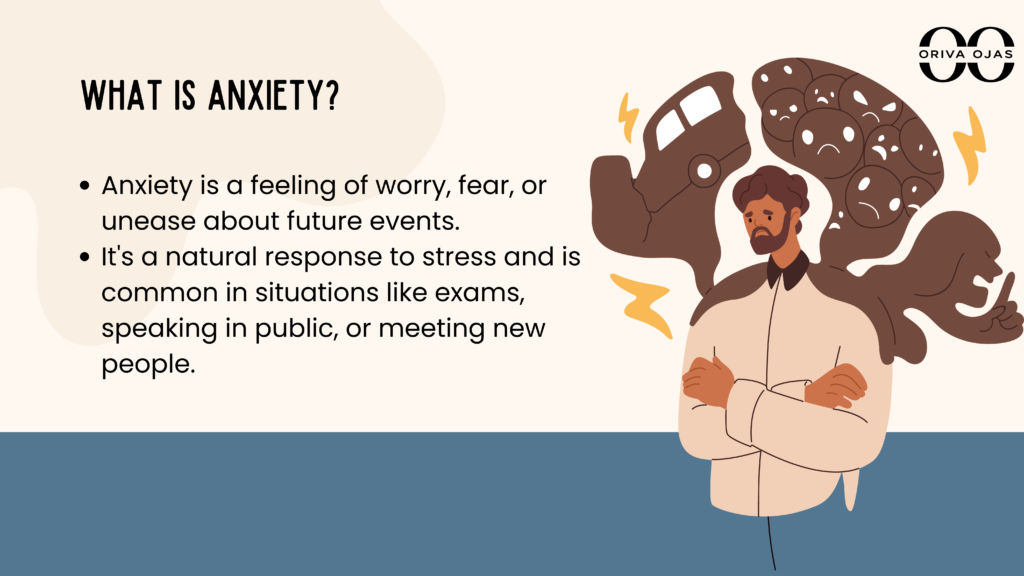
Fear Anticipation
Fear anticipation means expecting something negative or threatening to happen even before it actually occurs. The mind begins imagining possible dangers, failures, or problems in advance. Instead of reacting to a real situation, the brain reacts to a prediction of a future problem.
Let’s see here what exactly happen in the brain, It sends signals that trigger:
- increased alertness
- faster heart rate
- release of cortisol (stress hormone)
Fear anticipation means the brain worries about possible future problems before they actually happen, which causes the mind to repeatedly analyze and imagine negative outcomes.
Worst-Case Thinking
Worst-case thinking is one of the main engines that produces overthinking. The moment the brain imagines a catastrophic outcome, it starts trying to mentally solve or prevent that imagined disaster. That attempt creates endless thought loops. Worst-case thinking is the spark. Overthinking is the fire that keeps burning. The brain imagines danger, then keeps thinking to control that danger, even when the danger isn’t real.
Repetitive Worry
Repetitive worry is a mental pattern where the mind repeatedly cycles through the same negative thoughts, problems, or past events without reaching a solution. Instead of moving toward action or closure, the brain keeps replaying the issue over and over. The key characteristic: the thought loop does not produce progress, only more mental noise.
Rumination often feels like useful thinking, but it isn’t. Productive thinking has three characteristics:
- it leads to decisions
- it leads to actions
- it resolves uncertainty
Rumination does none of these. It only repeats the same thoughts without progress. Rumination is not deep thinking or intelligence.
It is the brain getting stuck in a cognitive loop that repeats problems without solving them.