
Walk into any pharmacy or scroll through any health website, and you’ll see biotin everywhere—capsules, gummies, shampoos, serums—marketed as the ultimate solution for hair fall and slow hair growth. It’s sold like a shortcut to thick, long, healthy hair. But here’s the uncomfortable truth: most people taking biotin don’t actually need it.
Biotin has become less of a medical solution and more of a marketing weapon. That doesn’t mean it’s useless—but it does mean you need to understand where it works, where it doesn’t, and whether it’s even relevant for you. Otherwise, you’re just wasting money on a problem you haven’t properly diagnosed.
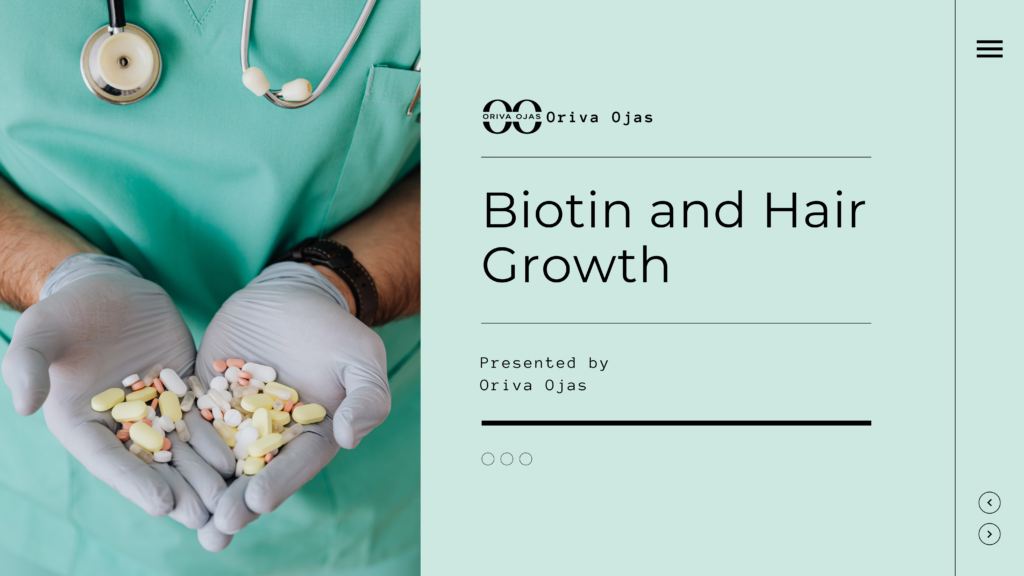
Understanding Biotin and Its Real Role in Hair Growth
What Exactly Is Biotin?
Biotin, also known as Vitamin B7, is part of the B-complex group of vitamins. Its main role is helping your body convert food into energy. But more importantly for this discussion, it plays a role in keratin production—the protein that makes up your hair, skin, and nails.
That connection is why biotin is often associated with hair health. In theory, better keratin structure should mean stronger, healthier hair. But “in theory” is where most people stop thinking.
Does Biotin Actually Help Hair Grow?
Yes—but only in a very specific situation.
If your body is deficient in biotin, then supplementing it can improve hair health. In such cases, people may notice reduced hair fall, better thickness, and slight improvement in growth. But here’s the catch: biotin deficiency is extremely rare.
Most people already get enough biotin from their daily diet. Foods like eggs, nuts, seeds, bananas, and whole grains already cover your basic requirement. So when someone with normal biotin levels starts taking supplements, there’s usually no noticeable improvement.
This is where the illusion begins. People assume that more biotin equals more hair growth. It doesn’t work like that. Your body doesn’t keep boosting hair growth just because you keep increasing a vitamin it already has enough of.
Why Biotin Became So Popular
The rise of biotin isn’t purely based on science—it’s driven by marketing and oversimplification.
Hair fall is a complex issue. It can be caused by hormonal imbalance, stress, thyroid issues, PCOD, protein deficiency, iron deficiency, or even poor sleep. But selling a “complex solution” doesn’t work in marketing. Selling a single pill that promises visible results does.
Biotin became that pill.
It’s easy to promote, easy to consume, and easy to believe in. Add influencer marketing and before-after photos, and suddenly it looks like a miracle solution—even when it’s not.
Biotin: When It Works, When It Doesn’t, and What You Should Actually Do
When Biotin Can Actually Help
There are specific situations where biotin supplementation makes sense. Ignoring these would be wrong.
If someone has a diagnosed deficiency, biotin can help restore normal hair health. Signs of deficiency may include thinning hair, brittle nails, skin issues, and fatigue. Certain conditions like long-term malnutrition, excessive alcohol intake, or specific medical disorders can also lead to low biotin levels.
In these cases, supplementation is not optional—it’s necessary. But even then, it’s correcting a deficiency, not boosting hair beyond its natural limit.
When Biotin Is a Waste of Time
Now comes the part most people don’t want to hear.
If your hair fall is caused by hormonal issues like PCOD, stress, or genetics, biotin won’t fix it. If you’re lacking protein or iron, biotin won’t compensate for that either. And if your lifestyle is poor—bad sleep, high stress, junk food—no supplement is going to override that.
Taking biotin without understanding the root cause is like trying to fix a leaking roof by painting the ceiling. It might look like you’re doing something, but the problem remains untouched.
A Step-by-Step Way to Approach Hair Fall the Right Way
Instead of blindly taking supplements, you need a structured approach. This is where most people go wrong—they jump straight to solutions without identifying the problem.
Step 1: Identify the Root Cause
Start by asking basic but important questions. Are you losing more hair than usual? Has your diet changed? Are you under stress? Are your periods irregular? These clues matter.
If the issue is persistent, basic blood tests like iron levels, Vitamin D, B12, and thyroid function can give you real answers. Without this step, everything else is guesswork.
Step 2: Fix Your Nutrition First
Hair is not a priority for your body. If nutrients are limited, your body will use them for vital functions first, not for growing hair.
Protein is critical. If you’re not consuming enough, your hair will suffer regardless of how many vitamins you take. Iron and zinc also play a major role. A balanced diet often does more for your hair than any supplement.
Step 3: Use Supplements Only If Needed
Once deficiencies are identified, supplements make sense. That might include iron, Vitamin D, or in rare cases, biotin.
But this step comes after diagnosis—not before. Taking random supplements “just in case” is not smart, it’s lazy problem-solving.
Step 4: Build a Consistent Hair Care Routine
External care matters, but only to an extent. Regular oiling, gentle shampooing, and avoiding excessive heat or harsh treatments can reduce damage and breakage.
However, don’t expect oils or shampoos to solve internal issues. They support hair health—they don’t rebuild it from the root.
Step 5: Be Patient and Consistent
Hair growth is slow. Even if you fix everything perfectly, results take time—usually 2 to 3 months before you see noticeable improvement.
Jumping from one solution to another every week is one of the biggest mistakes people make. Consistency beats experimentation here.
So, Is Biotin a Miracle or a Marketing Gimmick?
It’s neither completely fake nor the miracle it’s made out to be.
Biotin is a useful vitamin when there’s a deficiency. In that context, it works. But for the majority of people, it’s overhyped and unnecessary. The real issue isn’t biotin itself—it’s how it’s sold and misunderstood.
Hair growth is not controlled by a single nutrient. It’s influenced by your overall health, hormones, diet, and lifestyle. Reducing it to one supplement is not just inaccurate—it’s misleading.
If you’re serious about improving your hair, stop looking for shortcuts. Identify the cause, fix the basics, and then use targeted solutions. That approach might not sound as attractive as a “miracle pill,” but it’s the only one that actually works.